CBRN Risk Mitigation and Security Governance Unit
Background of the CBRN risk
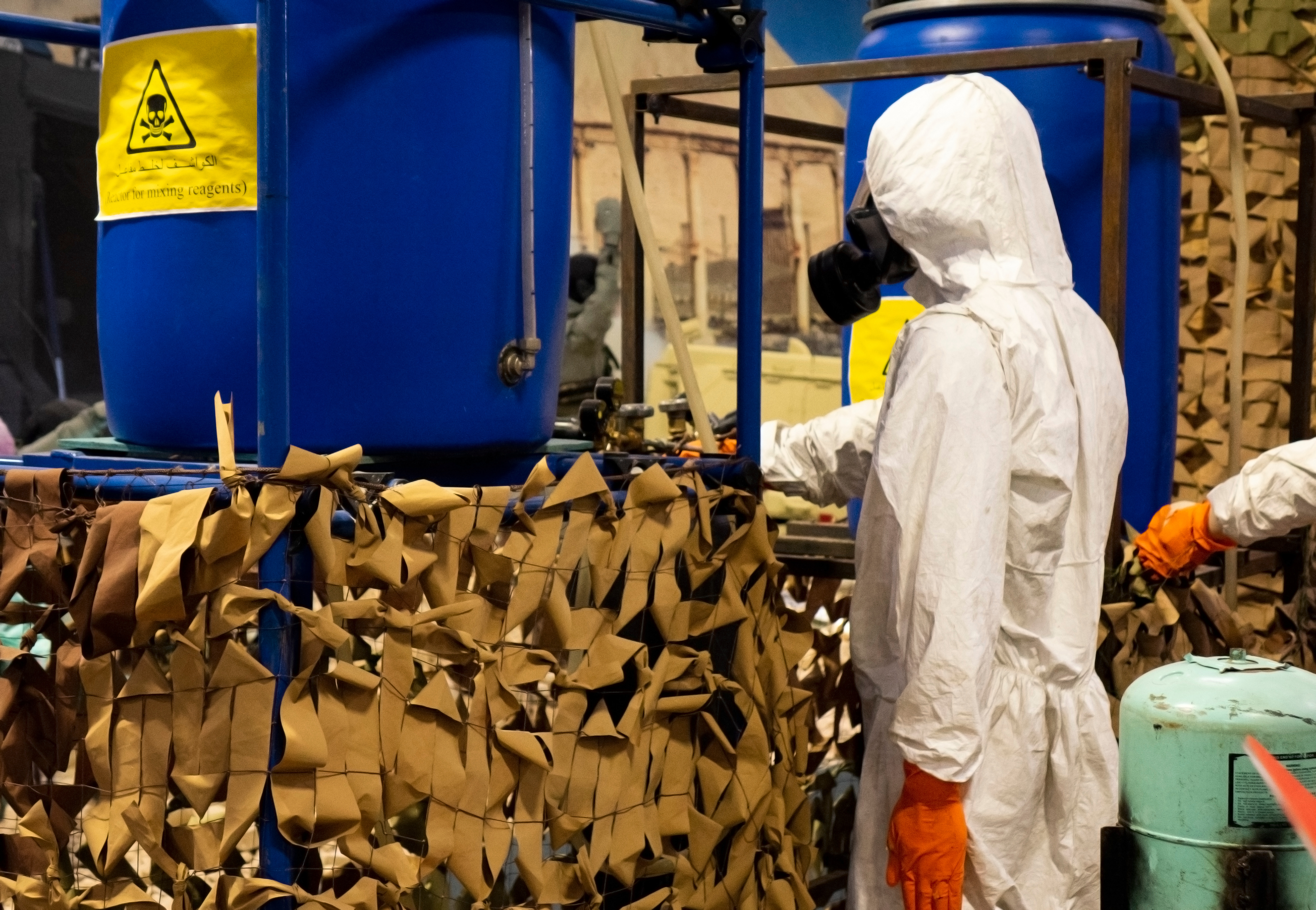
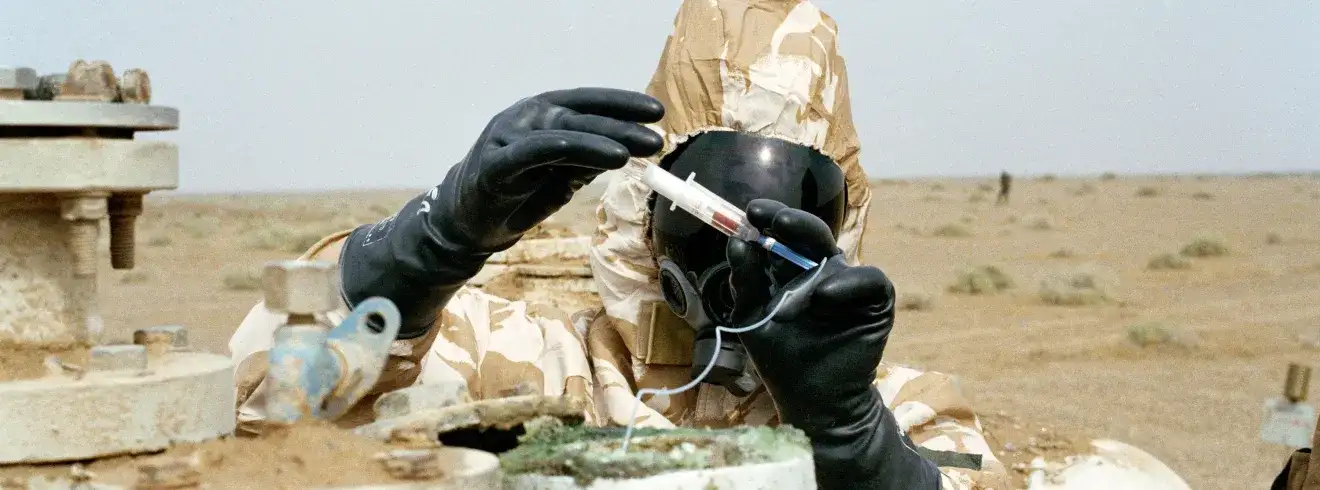
Chemical, biological, radiological and nuclear (CBRN) weapons and hazardous materials have plagued the human race since their invention. Whether through accidental release or intentional terrorist attacks, CBRN events have the potential to cause great harm and create panic. From the Tokyo subway sarin attack in Japan in 1995 to, more recently, the repeated deployment of chemical weapons against civilian populations by Islamic State in Iraq and the Levant (ISIL/Da’esh) between 2014 and 2016, as well as the testing of biological agents on prisoners[1], these events are designed to spread fear and produce suffering.
Today the threat posed by dangerous CBRN weapons and agents remains high, considering that a malicious use of technology could enable new forms of CBRN terrorism such as the use of drones to release chemical, biological or radiological materials or AI-powered malware to target nuclear reactors or chemical facilities in an attempt to cause the release of radioactive or chemical material.
UNICRI assistance – our story
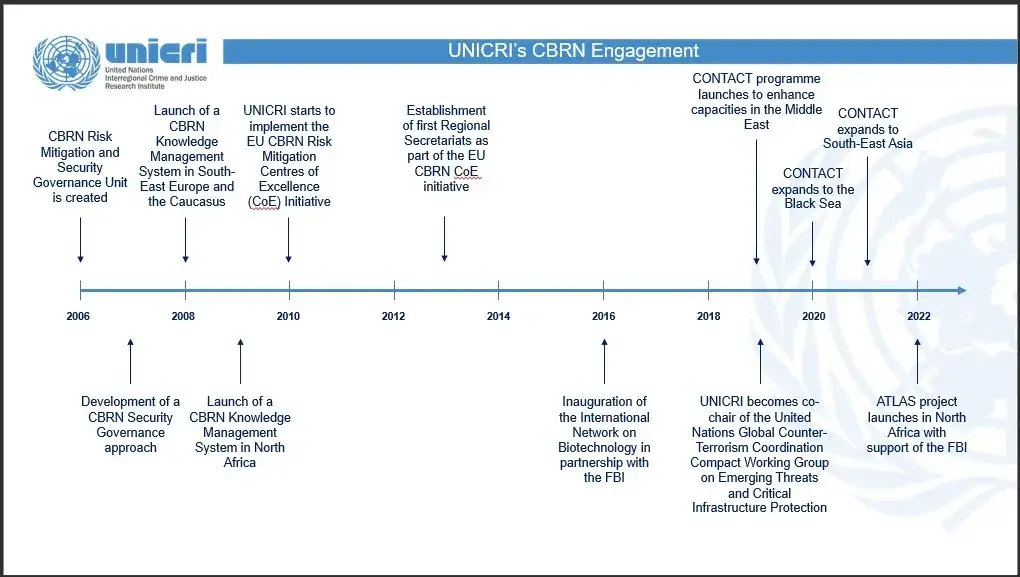
UNICRI has assisted UN Member States to anticipate, assess and mitigate CBRN threats since 2006 by creating a dedicated team: the CBRN Risk Mitigation and Security Governance Unit. Since its creation, the Unit has been an early adopter of a CBRN Security Governance approach to ensure that all disciplines and organizations concerned with CBRN risk mitigation act as an integrated network with a shared goal of improving overall CBRN safety and security.
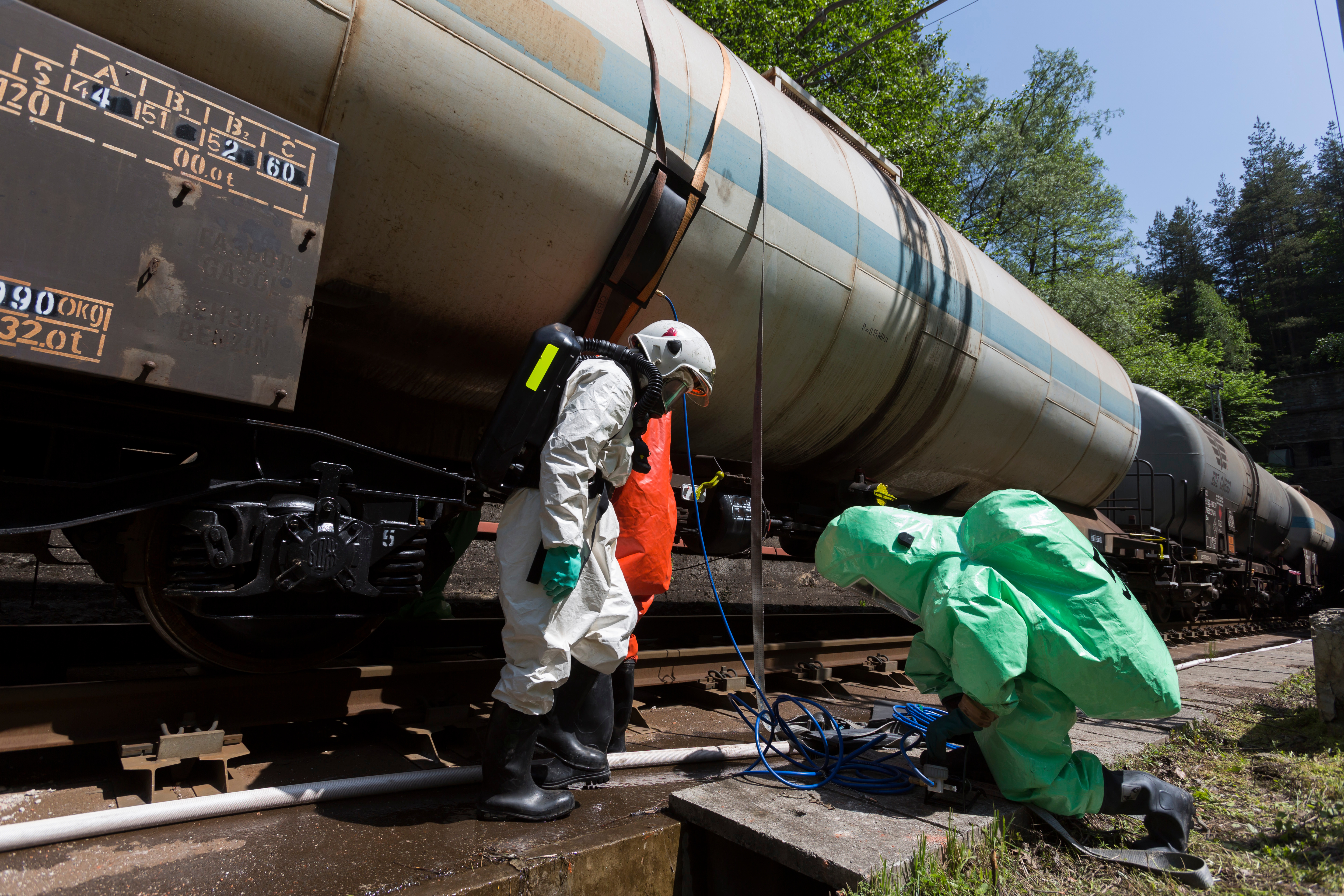
After successfully testing the “CBRN approach” on its initial projects, in 2010, UNICRI, in cooperation with the European Commission’s Joint Research Centre, started to implement the European Union CBRN Risk Mitigation Centres of Excellence Initiative. The aim of the Initiative is to mitigate risks and strengthen all CBRN-hazards security governance worldwide. Support is currently provided in 64 countries across eight regions to implement a wide range of CBRN risk mitigation activities. This includes needs and risk assessments, national and regional action plans, capacity building activities, legal framework reviews, tabletop and real time (including cross-border) field exercises, inter-regional exchange of best practices and lessons learnt.
Current initiatives and programming
Today with a team of 30 dedicated staff deployed in 10 Member States, the UNICRI CBRN Unit deploys a wide range of tools in line with the UNICRI 2023–2026 Strategic Programme Framework and the Sustainable Development Goals, in particular Goal 9 on industry, innovation and infrastructure and Goal 16 for the promotion of peace, justice and strong institutions.
Building upon the forward-thinking, learning, and achievements of the CBRN Centres of Excellence Initiative, UNICRI has launched new programmes to support Member States’ capabilities in anticipating, assessing and mitigating CBRN threats with a specific focus on the role of intelligence gathering and analysis. With the support of the governments of Canada, Norway, United Kingdom and United States of America, in 2019, UNICRI started implementing CONTACT to enhance capacities of state security, law enforcement and other agencies to carry out intelligence-led operations aimed at thwarting trafficking of radiological and nuclear (RN) materials in the Middle East, the Black Sea and South-East Asia. In 2022, UNICRI also launched ATLAS, funded by the government of the United States of America and the Federal Bureau of Investigation (FBI), to combat chemical terrorism in North Africa.
Recently, UNICRI has focused special attention on emerging threats such as the malicious use of technology to develop and deploy CBRN weapons and the malicious use of media and social media to spread CBRN disinformation.
How UNICRI adds value
The significant expertise of UNICRI in the field of CBRN risk mitigation adds value in five key areas:
- Global trusted community of CBRN experts: UNICRI has supported the development of a trusted community of more than 1500 CBRN experts from different sectors (governmental agencies, academia, research institutions, non-government organizations) that share a common perception of CBRN risks and the belief that an effective CBRN strategy requires a global commitment and shared responsibilities in line with technical expertise and mandate.
- Country-driven, whole-of-society approach to address emerging risks: UNICRI places emphasis on effective training across the full spectrum of CBRN risk mitigation (prevention, detection, preparedness and response). Our priority is to develop and share knowledge to address emerging CBRN risks and ensure that the training material is in line with countries’ needs and capabilities. UNICRI has also been able to take a whole of society approach by including women and youth and ensuring no one is left behind.
- Sustainability and replicability strategy: UNICRI is working with several institutions and training centres throughout different geographical regions to increase national ownership and facilitate the transfer of knowledge to the countries’ experts. UNICRI develops and shares training material that is later incorporated into the training curricula of academic, training and research institutions and, ideally, used for future national training and education programmes after the projects are completed.
- Coordination with international and regional organizations: UNICRI is devoting special attention to the coordination between the United Nations organization and other international organizations (IAEA, OPCW, BWC ISU, INTERPOL, EUROPOL, UNODA, etc.). This is evidenced through the work of UNICRI as the co-chair of the Working Group on Emerging Threats and Critical Infrastructure Protection of the United Nations Global Counter-Terrorism Coordination Compact.
- Impact of technology: UNICRI is working closely with scientific institutions and technology companies and start-ups to monitor future malicious use of technology to enhance the threat of CBRN terrorism and to explore technology options and innovative ideas to prevent and combat CBRN terrorism.
For more information on all projects caried out by the CBRN Risk Mitigation and Security Governance Unit, please click here.
[1] See Sixth Report of the Special Adviser and Head of the United Nations Investigative Team to Promote Accountability for Crimes Committed by Da’esh/Islamic State in Iraq and the Levant (2021), document S/2021/419.